History of Clowning
From Ancient Fool to Modern Icon
The history of clowning stretches back more than four thousand years — from the sacred buffoons of ancient Egypt to the whiteface circus clowns of the modern big top. Along the way, the clown has been jester and priest, anarchist and innocent, terrifying and tender. But the character we recognise today — the painted face, the outlandish costume, the physical comedy that makes children shriek with laughter — was invented by one man, in one city, in the early nineteenth century. His name was Joseph Grimaldi, and every clown who followed him was called a “Joey” in his honour.
Ancient Origins
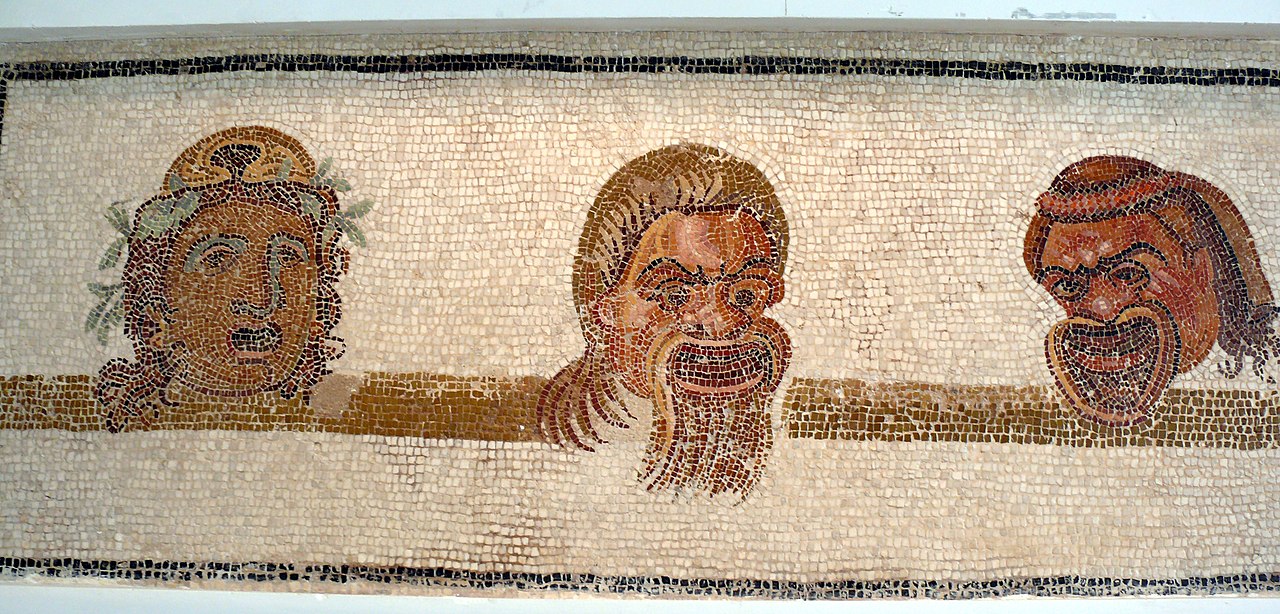
The most ancient clowns yet discovered date from the Fifth Dynasty of Egypt, around 2400 BC — comic performers attached to the royal court who combined entertainment with religious ritual. In ancient Greece, bald-headed, padded buffoons performed as secondary figures in farces and mime, parodying the actions of more serious characters and sometimes pelting spectators with nuts. The same clown appeared in Roman mime, wearing a pointed hat and a motley patchwork robe, serving as the butt for all the tricks and abuse of his fellow actors.
These early clowns were not mere entertainers. In many ancient cultures, the roles of priest and clown were held by the same person. The fool occupied a sacred space — licensed to mock authority, to speak uncomfortable truths, to turn the social order upside down. This tradition survived for millennia. The medieval court jester, the Native American sacred clown, the African trickster figure — all share this ancient root. As the scholar Peter Berger observed: “It seems plausible that folly and fools, like religion and magic, meet some deeply rooted needs in human society.”
Jesters & Medieval Fools

Through the Middle Ages, clowning was a general feature of the acts of minstrels and jugglers, but the clown did not emerge as a distinct professional character until the late medieval period. Traveling entertainers sought to imitate the antics of court jesters — those licensed fools who served kings and nobles, wearing motley and carrying a bauble or marotte, speaking truths that no courtier dared utter.
The most famous jesters became figures of real power. Will Sommers, fool to Henry VIII, could calm the king’s rages when no minister could. Triboulet, jester to Francis I of France, was immortalised by Victor Hugo and later by Verdi in Rigoletto. The fool in Shakespeare — Feste, Touchstone, the Fool in King Lear — reflects a tradition already centuries old by the Elizabethan era.
Amateur fool societies, like the French Enfants sans Souci, specialised in comic drama at festival times. Richard Tarlton, the most popular comedian of Elizabeth I’s reign, bridged the gap between court fool and professional comic actor — a direct ancestor of the stage clown who would soon emerge from the Italian tradition.
Commedia dell’Arte & Harlequin

In the latter half of the sixteenth century, the travelling companies of the Italian commedia dell’arte developed one of the most famous and durable clown characters of all time: Arlecchino, the Harlequin. Beginning as a comic valet or zanni, Harlequin soon developed into an acrobatic trickster, wearing a black domino mask and carrying a bat or noisy slapstick with which he frequently belaboured his victims. His fame spread across Europe.
The commedia gave the world an entire family of comic characters — the boastful Capitano, the miserly Pantalone, the pedantic Dottore, the scheming servants Brighella and Colombina. These were not scripted roles but improvised ones, performed in masks, with each actor specialising in a single character for life. The physical comedy, the lazzi (comic routines), the interplay between clever servant and foolish master — all of this fed directly into the English pantomime tradition that would produce the greatest clown of all.
When Italian players arrived in England, Harlequin became the star of the harlequinade — the comic afterpiece that followed the main dramatic entertainment. The Clown in these early English pantomimes was a minor figure: a slow-witted rustic, a country bumpkin, a foil for Harlequin’s magic. That hierarchy would stand for over a century — until Joseph Grimaldi turned it upside down.
Joey — Grimaldi’s Revolution

Joseph Grimaldi (1778–1837) did not merely play the Clown. He created the modern clown as we know it. Before Grimaldi, English pantomime was centred on Harlequin. The Clown was a supporting character — a dull-witted rustic in a shabby costume. Grimaldi reversed the entire hierarchy. His Clown was clever, mischievous, anarchic, and utterly irresistible. Harlequin became the straight man. The Clown became the star.
In 1800, at Sadler’s Wells, Grimaldi introduced his revolutionary new Clown costume: a dazzling patterned suit of bold diamonds and circles in vivid reds, blues, and yellows, trimmed with ruffles and tassels. His face was painted white with exaggerated red patches on the cheeks, thick arched eyebrows, and a wide red mouth. A wild tufted wig completed the transformation. As Charles Dickens wrote in the Memoirs of Joseph Grimaldi, published the year after his death: “It is some years now, since we first conceived a strong veneration for Clowns, and an intense anxiety to know what they did with themselves out of pantomime time, and off the stage.”
Grimaldi’s comedy was rooted in character, not mere acrobatics. One contemporary observed that “his humour was in his looks and not in his body.” He could construct an entire comic scene from a few vegetables and a stolen leg of mutton. He sang comic songs that became London anthems. He made audiences weep with laughter and then weep with genuine emotion in the same performance. Richard Findlater, in his introduction to the Memoirs, described him as “acclaimed in his lifetime as the best Clown of the British pantomime” whose “patriotic buffoonery reached its peak during the wars against Napoleon.”
“Joe created the Clown as an English institution, an enriching type named ‘Joey’ after him.”
— Richard Findlater, Memoirs of Joseph Grimaldi
So completely did Grimaldi own the role that after his retirement, every clown everywhere was called a “Joey” — a tribute that persists to this day. He established the conventions that defined clowning for two centuries: the white face, the outlandish costume, the slapstick, the comic songs, the direct interaction with the audience. As Findlater noted, the kind of comic Grimaldi created “is now almost extinct, like the entertainment in which it flowered,” yet every modern clown descends from his tradition.
The Three Faces: Whiteface, Auguste & Tramp
After Grimaldi, the clown character branched into three distinct types that still define circus clowning today. Understanding these three faces is essential to understanding the history of clowning itself.
The Whiteface Clown
The whiteface is the oldest and most elegant of the three types, descended directly from Grimaldi’s tradition and, before him, from the Pierrot of French pantomime. The whiteface clown wears a full covering of white makeup with delicate, precise features painted in red and black. The costume is usually ornate and beautiful. In the circus ring, the whiteface is the authority figure — the straight man, the one in charge, the sophisticated one who sets up the joke for his partner to demolish. Famous whiteface clowns include Adrien Wettach (known as Grock), one of the most famous clowns of the twentieth century.
The Auguste Clown
The auguste (pronounced ow-GOOST) is the whiteface’s opposite — the bumbling, anarchic, lovable fool. According to circus tradition, the auguste was born by accident in the 1860s when a clumsy acrobat stumbled into the ring and the audience roared with laughter. The auguste wears flesh-toned or pink makeup with exaggerated features: a huge red nose, oversized mouth, and wild eyebrows. The costume is deliberately ill-fitting — baggy trousers, enormous shoes, a jacket three sizes too large. The auguste is the one who gets the pie in the face, falls off the chair, and squirts water everywhere. Most modern circus clowns perform in the auguste tradition.
The Tramp or Hobo Clown
The tramp or hobo clown is a distinctly American invention, emerging in the late nineteenth century as the railroads opened up the continent and the figure of the wandering vagrant entered the popular imagination. The tramp wears tattered clothes, a battered hat, and makeup that suggests a permanent five-o’clock shadow. The character is melancholy, downtrodden, but possessed of a quiet dignity. Emmett Kelly, with his character “Weary Willie,” became the most famous tramp clown in the United States, performing with the Ringling Bros. and Barnum & Bailey Circus from the 1940s. Red Skelton’s “Freddie the Freeloader” brought the tramp clown to American television.
The Circus Clown

The modern circus was born in London in 1768, when Philip Astley, an ex-cavalry officer, began staging equestrian shows in a ring near Westminster Bridge. Astley soon added acrobats, jugglers, and — critically — clowns to fill the gaps between riding acts. The circus clown was born from practical necessity: someone had to keep the audience entertained while the horses were changed and the equipment rearranged.
As circuses spread across Europe and America in the nineteenth century, the clown became central to the show. In England, Grimaldi’s pantomime tradition fed directly into the circus ring. In France, the Cirque Olympique and later the Cirque d’Hiver developed their own traditions, with the famous partnership of whiteface and auguste becoming the standard format. In the United States, the circus clown evolved alongside the great travelling shows — Ringling Bros., Barnum & Bailey, and dozens of smaller circuses that crisscrossed the country by rail.
The golden age of the American circus clown ran from the 1870s to the 1950s. Professional clowns performed in circuses, vaudeville shows, and eventually on radio and television. Lou Jacobs, with his tiny car routine and cone-shaped head, became the face of Ringling Bros. for over sixty years. Circus clowns developed elaborate gags — the exploding car, the bucket of confetti, the never-ending handkerchief — that became the shared vocabulary of clowning worldwide.
Clown Makeup & Costume
The painted face is the clown’s most recognisable feature — and its history runs parallel to the history of clowning itself. In the commedia dell’arte, performers wore leather masks. When Grimaldi replaced the mask with greasepaint in the early 1800s, he created something new: a face that could express emotion while still being unmistakably a clown’s face. His white base, red cheeks, and exaggerated features became the template.
By tradition, no two clowns should wear the same face. In the circus world, a clown’s makeup design is considered as personal as a signature. The Clown Egg Register, maintained by the organisation Clowns International since 1946, records each professional clown’s unique face design painted onto a ceramic egg — a practice that began as a way to prevent duplication and has become a treasured archive of the art form.
The costume evolved alongside the makeup. Grimaldi’s bold patterned suit gave way to the whiteface’s elegant satin, the auguste’s deliberate chaos of ill-fitting clothes, and the tramp’s poetic rags. The red nose — now the universal symbol of clowning — became standard only in the twentieth century, popularised by circus clowns who needed their features to read at a distance in large arenas. Today, the red nose is so iconic that it serves as the logo for Comic Relief and Red Nose Day, carrying the clown’s ancient association with charity and social good into the modern world.
Famous Clowns Through History
The history of clowning is also the history of its greatest practitioners — performers whose art transcended the ring, the stage, and the screen.
Joseph Grimaldi (1778–1837)
The father of modern clowning. Grimaldi invented the pantomime Clown as a central character, established the white-face makeup tradition, and gave every subsequent clown the name “Joey.” His Memoirs, edited by Charles Dickens, remain the primary record of his extraordinary life. Read his full story ›
Jean-Gaspard Deburau (1796–1846)
The great French mime who transformed Pierrot from a minor commedia character into the iconic sad-faced whiteface clown of Romantic tradition. Performing at the Théâtre des Funambules in Paris, Deburau created the silent, lovelorn Pierrot that influenced artists from Watteau to Picasso.
Dan Rice (1823–1900)
The most famous clown in nineteenth-century America. Rice performed with pigs, mules, and his own sharp political wit, becoming so popular that he ran for President. His red, white, and blue costume may have inspired the modern image of Uncle Sam.
Grock (1880–1959)

Born Adrien Wettach in Switzerland, Grock became the highest-paid entertainer in the world during the 1920s and 1930s. A musical clown of extraordinary skill, he performed with a tiny violin and an oversized piano, combining whiteface elegance with auguste chaos.
Emmett Kelly (1898–1979)

Creator of “Weary Willie,” the mournful tramp clown who became the most beloved circus clown in American history. Kelly performed with Ringling Bros. and Barnum & Bailey and appeared in films, bringing the hobo clown tradition to its peak.
Oleg Popov (1930–2016)
The “Sunshine Clown” of the Soviet circus, Popov brought a gentle, lyrical style to clowning that enchanted audiences worldwide. His character — a cheerful innocent in a checked cap — represented a distinctly Russian tradition of circus comedy.
The Modern Clown
The twentieth century transformed clowning in ways that Grimaldi could never have imagined. The art form moved from the circus ring to film, television, and the theatre — and in doing so, split into radically different traditions.

Charlie Chaplin took the tramp clown to the cinema screen, creating in his “Little Tramp” character one of the most famous comic figures in history. Chaplin’s physical comedy was pure clowning — rooted in the same traditions of slapstick and pathos that Grimaldi had perfected a century earlier. Buster Keaton, the Marx Brothers, and later Lucille Ball carried the clown’s art into new media while preserving its ancient essence.
In the 1960s and 1970s, a new movement emerged: contemporary clowning, which stripped away the traditional makeup and costume to focus on the performer’s own vulnerability. Jacques Lecoq’s school in Paris trained a generation of physical performers who reinvented clowning as a serious theatrical art. Philippe Gaulier, Lecoq’s student, pushed further still — his teaching emphasises the flop, the moment of failure that connects performer and audience in shared humanity.
Cirque du Soleil, founded in 1984, brought circus clowning into the modern theatre, blending traditional physical comedy with acrobatics, music, and spectacle. Today, professional clowns perform in circuses, hospitals (as therapeutic “clown doctors”), street festivals, and theatres around the world. Slava Polunin’s Slava’s Snowshow has toured internationally for decades, proving that the ancient art of clowning still has the power to move adult audiences to wonder and tears.
Timeline: Key Dates in the History of Clowning
Ancient Egypt — earliest known clown-like performers documented in the Fifth Dynasty court.
Ancient Greece — bald-headed buffoons perform comic mime in farces alongside serious drama.
Commedia dell’arte emerges in Italy. Harlequin, Pantalone, and the zanni develop as stock characters performed in masks.
Richard Tarlton dies — the most famous clown of the Elizabethan stage, favourite of Elizabeth I.
English harlequinade established at Lincoln’s Inn Fields Theatre. Harlequin is the star; the Clown is a minor role.
Philip Astley opens his riding school in London — the birth of the modern circus, with clowns filling gaps between acts.
Grimaldi’s Clown — Joseph Grimaldi introduces his revolutionary costume and character at Sadler’s Wells, transforming the Clown from sidekick to star.
Harlequin and Mother Goose at Covent Garden — the pantomime that made Grimaldi a national institution.
The Auguste clown emerges in European circuses, creating the classic whiteface-and-auguste double act.
Ringling Bros. merges with Barnum & Bailey — the “Greatest Show on Earth” cements the American circus clown tradition.
Charlie Chaplin debuts the Little Tramp — the clown tradition enters cinema.
Clown Egg Register established by Clowns International to record each clown’s unique face design.
Cirque du Soleil founded in Quebec — reinventing circus and clowning for the modern era.
Explore More
Discover the man who invented the modern clown, the Italian tradition he inherited, and the theatres where he performed.